The Pinterest Paradox: Why Good Architecture Sometimes Begins with Unlearning
- Tejesh Kumar. S
- Jun 15
- 3 min read

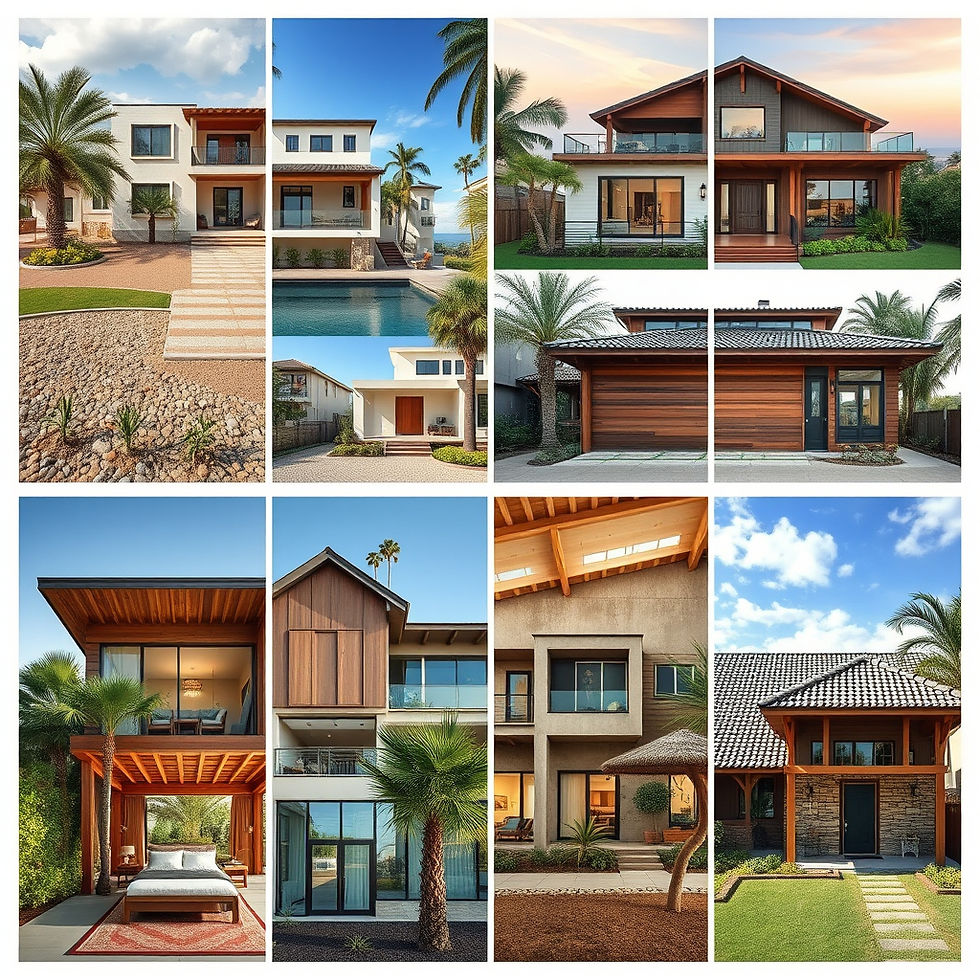
Never before have homeowners had access to so much design inspiration. A few taps on a phone can reveal thousands of beautifully photographed homes from across the world—Mediterranean villas overlooking the sea, Scandinavian cabins nestled in forests, sleek contemporary mansions, rustic farmhouses, and everything in between. Platforms like Pinterest, Instagram, and architectural websites have democratized design knowledge and exposed people to an incredible diversity of ideas.
Yet this abundance of inspiration often comes with an unexpected challenge: confusion.
Many clients begin their home-building journey with folders full of saved images, each representing something they admire. One image may showcase a grand double-height living room, another a minimalist kitchen, a third an ornate Mediterranean façade, and a fourth a tropical courtyard. Individually, each image is attractive. Collectively, they may have very little to do with one another—or with the client's actual lifestyle, site conditions, climate, budget, or long-term needs.
As architects, we increasingly find ourselves playing a role that goes beyond designing buildings. Sometimes, our responsibility is to help clients unlearn.
The Difference Between Admiration and Requirement
The internet encourages us to collect images based on immediate visual appeal. We see a beautiful staircase and save it. We admire a luxurious bedroom and save that too. Over time, these images create an imagined version of a dream home.
The problem is that admiration is not the same as requirement.
A family may love the look of expansive glass walls because they appear striking in photographs. However, if their site faces harsh western sun, such a feature may lead to uncomfortable interiors and increased cooling costs. Similarly, a homeowner may be drawn to ultra-minimalist spaces online but may actually prefer a home filled with family heirlooms, books, and everyday activity.
The most successful homes are not collections of attractive images. They are environments carefully shaped around the people who inhabit them.
Why Trends Can Be Misleading
Design trends have always existed, but social media accelerates them at an unprecedented pace. What becomes popular in one part of the world can quickly become aspirational everywhere else, regardless of local context.
The result is a growing tendency to design homes around trends rather than around life itself.
Large open kitchens, all-white interiors, industrial finishes, black-framed windows, floating staircases, and countless other design elements often become desirable simply because they are repeatedly seen online. Yet trends rarely account for cultural habits, family structures, climate conditions, maintenance requirements, or aging gracefully over time.
Architecture that merely follows trends often risks becoming dated. Architecture that emerges organically from context tends to remain timeless.
The Architect as a Guide, Not Just a Designer
Many clients initially assume that the architect's role is to translate their collection of reference images into a building. In reality, the process is far more nuanced.
Good architectural design often begins with asking questions rather than drawing plans.
How does the family spend time together?
What kind of mornings do they experience?
Do they entertain frequently?
How important is privacy?
How much maintenance are they comfortable with?
What memories do they want their home to create?
These questions frequently reveal priorities that have little to do with the images clients have collected.
In many projects, the architect's greatest contribution is helping clients distinguish between what they truly need and what they merely admired in a photograph.
Unlearning as a Creative Process
The word "unlearning" may sound negative, but in design it is often liberating.
When clients let go of preconceived notions, they create space for deeper discoveries. A family that initially wanted a sprawling contemporary villa may realize that what they truly value is a sense of warmth and intimacy. Another may discover that natural light and connection to a garden matter more than elaborate architectural gestures.
This process is not about rejecting inspiration. It is about filtering it.
Reference images remain valuable tools. They help communicate preferences, moods, materials, and aspirations. However, they should serve as starting points rather than final answers.
The goal is not to replicate an image found online. The goal is to understand why that image resonates in the first place.
Designing Homes That Belong
Every site has its own character. Every family has its own rhythm. Every region has its own climate, culture, and traditions.
When architecture responds thoughtfully to these factors, the result feels natural—as though the house belongs exactly where it stands and exactly to the people who live within it.
Such homes rarely emerge from chasing trends. They emerge from a process of careful listening, questioning, refining, and sometimes unlearning.
In an age where inspiration is limitless, perhaps the greatest value an architect can offer is not adding more ideas to the conversation, but helping clients navigate through the noise.
Because the best homes are not built from a thousand saved images.
They are built from a clear understanding of what truly matters.


Comments