Mediterranean Architecture: Timeless Elegance Adapted for Modern Indian Homes
- Tejesh Kumar. S
- Jun 16
- 4 min read


Architectural styles come and go, but a few endure through generations because they are rooted in climate, craftsmanship, and human comfort. Mediterranean architecture is one such style. Known for its warm character, elegant proportions, and effortless connection between indoor and outdoor living, Mediterranean homes have remained popular for centuries across Southern Europe and continue to inspire residential architecture worldwide.
In recent years, Indian homeowners have increasingly shown interest in Mediterranean-inspired residences, attracted by their timeless appeal, luxurious ambiance, and climate-responsive design principles. When thoughtfully adapted, Mediterranean architecture can blend seamlessly with Indian lifestyles, climatic conditions, and even Vastu requirements, creating homes that are both beautiful and practical.
Understanding Mediterranean Architecture
Mediterranean architecture originated in the coastal regions surrounding the Mediterranean Sea, particularly in countries such as Spain, Italy, Greece, and Southern France. While each region developed its own interpretation, they shared common design principles shaped by warm climates, abundant sunlight, and a culture that valued outdoor living.
Unlike contemporary architectural trends that often prioritize visual novelty, Mediterranean homes emphasize permanence, comfort, and craftsmanship. Their appeal lies in their ability to feel both grand and welcoming at the same time.
Characteristic Features of Mediterranean Homes
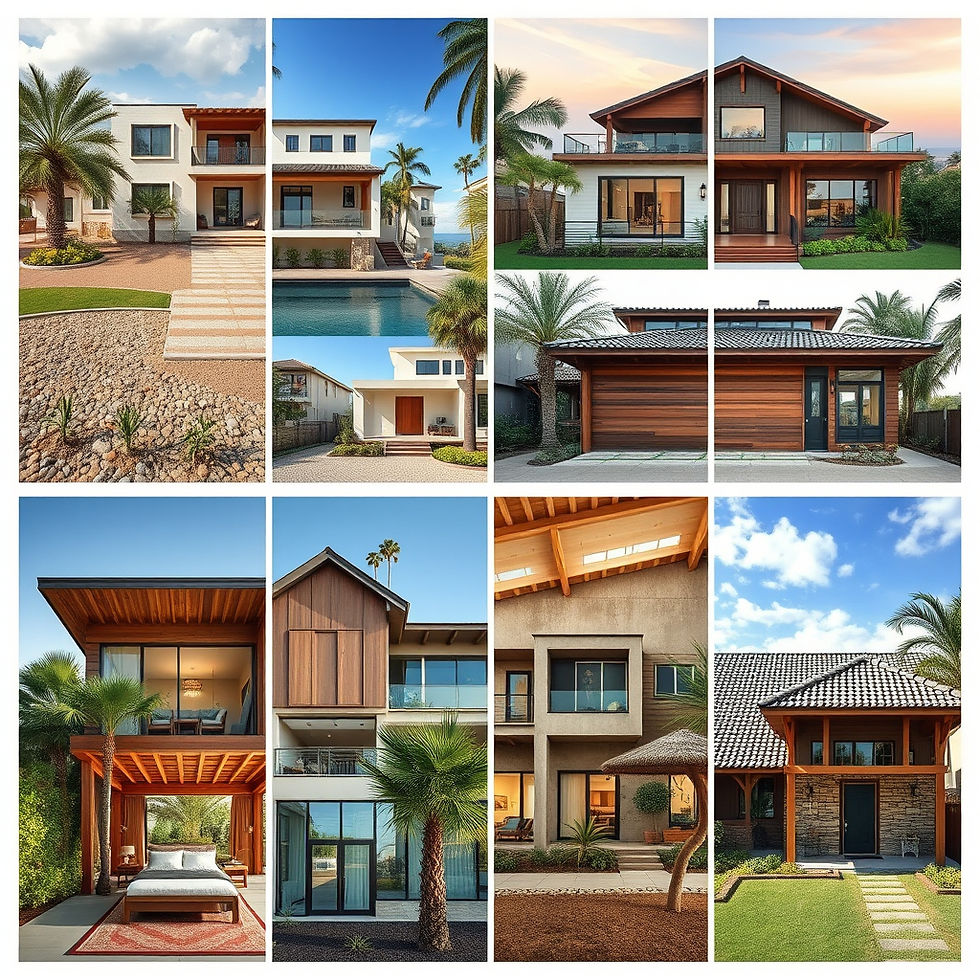
1. Sloping Roofs with Terracotta Tiles
One of the most recognizable features of Mediterranean houses is the low-pitched roof covered with clay or terracotta tiles. These roofs not only create a distinctive visual identity but also provide excellent protection against heat and seasonal rainfall.
In India, particularly in regions with heavy monsoons, tiled roofs can be highly effective in improving drainage while adding warmth and character to the building.
2. Thick Walls and Textured Finishes
Traditional Mediterranean homes feature thick masonry walls finished with stucco or textured plaster. These walls help regulate indoor temperatures by reducing heat transfer during the day and retaining coolness inside.
Modern Indian adaptations often use cavity walls, insulated construction systems, or textured exterior finishes to achieve similar performance while maintaining the authentic appearance.
3. Arches and Curved Elements
Arched windows, doorways, corridors, and verandahs are hallmarks of Mediterranean design. These soft, elegant curves create visual richness and lend a sense of timeless sophistication.
Arches can be incorporated into Indian homes through entrance porticos, verandahs, internal courtyards, and garden pavilions without compromising contemporary functionality.
4. Courtyards and Outdoor Living Spaces
Mediterranean architecture celebrates outdoor living. Central courtyards, patios, terraces, and shaded verandahs form an integral part of the home.
This principle aligns naturally with Indian architecture, where courtyards have historically served as social spaces, climate moderators, and sources of natural ventilation. Incorporating internal courtyards can significantly improve daylighting and thermal comfort in Indian homes.
5. Natural Materials
Stone, wood, wrought iron, clay, and handcrafted finishes are commonly used throughout Mediterranean homes. These materials age gracefully and develop character over time.
Indian homes can embrace this philosophy through locally sourced stone, natural wood finishes, terracotta elements, handcrafted railings, and artisanal detailing that celebrate regional craftsmanship.
6. Earthy Color Palettes
Mediterranean homes typically feature warm and natural colors such as ivory, beige, sand, terracotta, olive green, and muted blues. These tones create a calm, inviting atmosphere while reflecting the landscape of their surroundings.
Such palettes work exceptionally well in India's bright sunlight, helping buildings remain visually comfortable throughout the year.
Variations of Mediterranean Architecture
While often grouped together, Mediterranean architecture encompasses several distinct regional styles.
Spanish Mediterranean
Perhaps the most popular variation, Spanish Mediterranean architecture is characterized by white stucco walls, red clay roofs, decorative ironwork, arched openings, and expansive courtyards. These homes often have a rustic charm and strong connection to outdoor spaces.
Italian Mediterranean
Italian villas tend to exhibit greater symmetry and formality. Stone facades, grand entrances, columns, and elegant terraces are common features. This variation is particularly suited to larger estate homes and luxury residences.
Greek Mediterranean
Greek architecture is known for its simplicity and brightness. Whitewashed walls, clean forms, blue accents, and minimal ornamentation create a serene and understated aesthetic. This style appeals to homeowners seeking a lighter, more contemporary interpretation.
French Mediterranean
Influenced by the French Riviera and Provence, this variation combines Mediterranean warmth with refined elegance. Natural stone, shuttered windows, lavender-colored landscapes, and sophisticated detailing define the style.
Why Mediterranean Architecture Works Well in India
Many of the principles that define Mediterranean architecture are remarkably relevant to Indian climatic conditions.
The emphasis on shaded outdoor spaces, thick walls, natural ventilation, courtyards, and sloping roofs addresses many of the environmental challenges faced by Indian homes. In cities experiencing rising temperatures and increasing urban density, these passive design strategies contribute significantly to occupant comfort and energy efficiency.
Unlike heavily glazed contemporary buildings that often rely on mechanical cooling, Mediterranean-inspired homes encourage a more sustainable relationship with the climate.
Incorporating Vastu Principles into Mediterranean Homes
A common concern among Indian homeowners is whether Mediterranean architecture can accommodate Vastu Shastra principles. The answer is a resounding yes.
Mediterranean architecture primarily defines the visual language and spatial character of a building, while Vastu governs planning, orientation, and functional zoning. The two can coexist harmoniously when considered from the beginning of the design process.
Some practical approaches include:
Locating the main entrance according to Vastu recommendations while designing it with Mediterranean arches and detailing.
Positioning living spaces in the north and east directions to maximize daylight.
Locating kitchens in the southeast and master bedrooms in the southwest as per Vastu guidelines.
Designing central courtyards that enhance both natural ventilation and positive energy flow.
Incorporating water features, gardens, and open spaces in appropriate zones while maintaining Mediterranean aesthetics.
By integrating Vastu principles into the planning stage, homeowners can enjoy the visual appeal of Mediterranean architecture without compromising cultural preferences.
A Contemporary Interpretation for Modern Living
The most successful Mediterranean homes in India are not literal reproductions of European villas. Instead, they reinterpret timeless architectural principles through the lens of modern lifestyles.
Open-plan interiors, home offices, smart technologies, sustainable materials, solar integration, rainwater harvesting, and energy-efficient systems can all coexist within a Mediterranean architectural framework.
The result is a home that feels rooted in tradition yet equipped for contemporary living.
Conclusion
Mediterranean architecture continues to captivate homeowners because it transcends trends. Its enduring popularity stems from a deep understanding of climate, materials, craftsmanship, and human comfort. For Indian homeowners seeking a residence that combines elegance, functionality, and timeless appeal, Mediterranean architecture offers a compelling solution.
When thoughtfully adapted to local climates, construction practices, and Vastu principles, Mediterranean-inspired homes can deliver the best of both worlds—European charm and Indian sensibility. In an era where architectural fashions change rapidly, Mediterranean design remains a testament to the enduring value of beauty, proportion, and thoughtful living.


Comments