The Return of Timeless Design: How Bangalore Homeowners Are Rediscovering Classical Residential Architecture
- Tejesh Kumar. S
- 1 day ago
- 3 min read

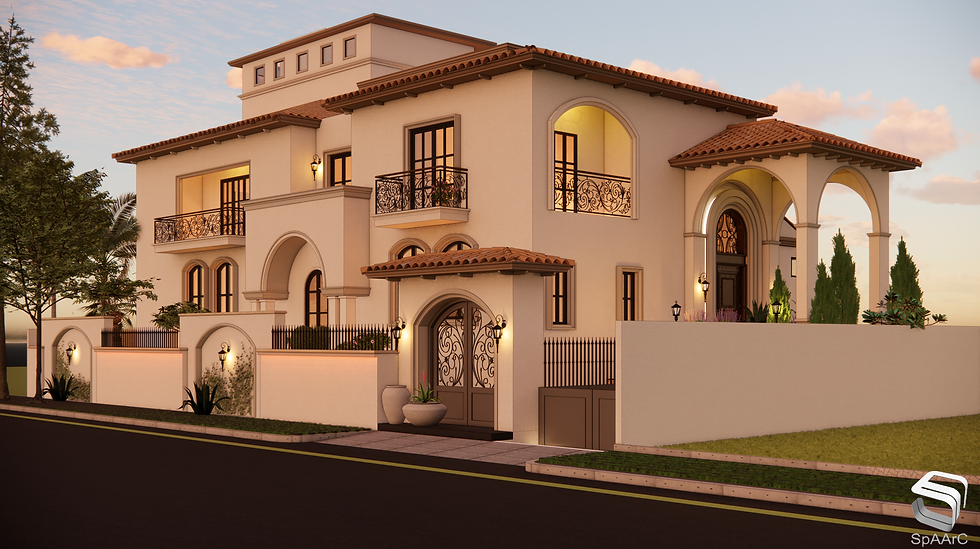
For much of the last two decades, Bangalore's residential architecture was heavily influenced by contemporary design trends. Clean lines, minimalist facades, exposed concrete, large glass surfaces, and geometric forms became synonymous with modern luxury. Homeowners sought designs that reflected global aesthetics, often inspired by international architecture showcased across magazines and social media platforms.
Today, however, a noticeable shift is taking place across Bangalore's residential landscape. Increasingly, homeowners are moving away from purely contemporary architecture and embracing design principles rooted in timeless aesthetics, regional identity, and enduring architectural traditions. This evolution reflects not just changing design preferences but also a deeper desire for homes that feel meaningful, contextual, and emotionally connected to their surroundings.
Why Contemporary Design Is Losing Its Universal Appeal
Contemporary architecture undoubtedly brought innovation and simplicity to residential design. Open floor plans, seamless indoor-outdoor connections, and minimalist detailing offered a refreshing alternative to heavily ornamented homes.
However, many homeowners have begun to realize that trends often age faster than expected. What appeared cutting-edge a decade ago can sometimes feel dated today. In contrast, architectural styles that have evolved over centuries continue to retain their relevance and charm.
Furthermore, Bangalore's climate has exposed certain limitations of highly contemporary homes. Extensive glazing, flat roofs, and exposed materials often require higher maintenance and greater energy consumption to maintain indoor comfort. As sustainability becomes a priority, homeowners are increasingly questioning whether global design trends are always suitable for local conditions.
The Rise of Contextual and Timeless Architecture
Today's discerning homeowners are seeking architecture that transcends fashion. Rather than designing houses to impress for a few years, they are investing in homes that can remain beautiful and functional for generations.
This has led to a renewed appreciation for elements such as:
Courtyards that promote natural ventilation and daylight.
Deep verandahs and shaded outdoor spaces.
Sloped roofs suited to seasonal rainfall.
Natural stone and traditional materials that age gracefully.
Symmetrical proportions and balanced facades.
Artisanal detailing inspired by regional craftsmanship.
These elements are not merely nostalgic references. They are practical design responses that have been refined through generations of architectural experience.
Bangalore's Unique Architectural Identity
Bangalore occupies a unique position within India's architectural landscape. Historically known for its garden-city character, moderate climate, and low-rise neighborhoods, the city developed an architectural language that balanced modernity with regional influences.
Many homeowners are now rediscovering the value of this identity. Rather than replicating homes from Dubai, California, or Singapore, they are choosing designs that belong to Bangalore.
This trend is visible in the growing demand for homes that incorporate traditional courtyards, local stone, terracotta finishes, landscaped internal gardens, and climate-responsive planning. These houses feel rooted in place while still offering contemporary comforts and modern amenities.
Luxury Is Being Redefined
Perhaps the most significant shift is in the definition of luxury itself.
A decade ago, luxury often meant larger glass facades, imported materials, and visually striking forms. Today, luxury is increasingly associated with comfort, authenticity, craftsmanship, and longevity.
Homeowners are placing greater value on:
Natural light and ventilation.
Sustainable building materials.
Personalized architectural details.
Spaces that encourage family interaction.
Gardens and outdoor living areas.
Long-term durability and low maintenance.
The result is a new generation of homes that prioritize experience over spectacle.
Blending Tradition with Modern Living
Importantly, the return to timeless aesthetics does not mean abandoning modern architecture altogether. The most successful residential projects today combine traditional principles with contemporary functionality.
Modern homeowners still desire open kitchens, home offices, smart technologies, energy-efficient systems, and flexible living spaces. The difference lies in how these requirements are integrated within an architectural framework inspired by proven design principles.
The outcome is architecture that feels both familiar and fresh—homes that respect heritage while embracing the future.
Looking Ahead
As Bangalore continues to evolve, resid
ential architecture is entering a more mature phase. Homeowners are becoming increasingly thoughtful about the long-term value of design decisions, moving beyond fleeting trends toward architecture that offers permanence, comfort, and identity.
The growing preference for time-tested aesthetics signals a broader understanding that good architecture is not defined by what is fashionable today, but by what remains meaningful decades from now. In a city that constantly reinvents itself, the rediscovery of timeless design may prove to be the most enduring trend of all.

Comments